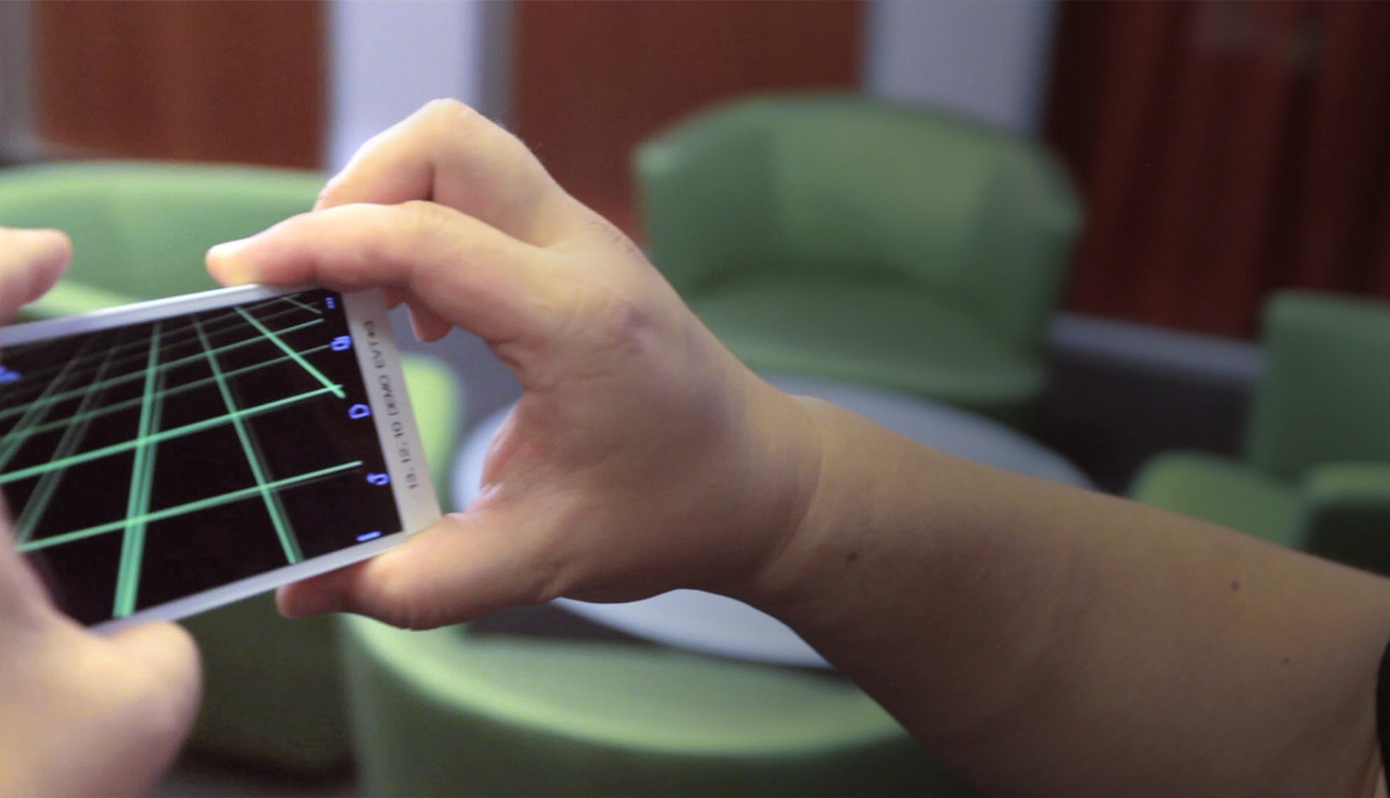
Google’s Advanced Technology and Projects (ATAP) have recently unveiled their latest innovation called
Project Tango. It is primarily an Android phone with 3D sensors that enables the device to track its movements and create a map of the area. It can be ingeniously used for creating highly immersive video games as well as to navigate the indoor environments of a house which can be later used during furniture shopping. This revolutionary new mapping technology is a significant upgrade over GPS-related apps as it can now help track the lifestyle topography of their users with great accuracy and efficiency.
Description
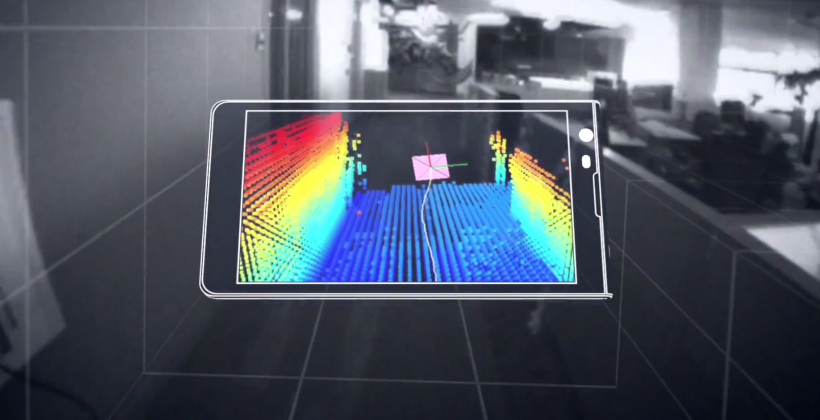
The phone screen is 5 inches long and will feature a 4 MP camera, two computer vision processors, integrated depth sensors and a motion tracking camera. This camera vitally enables the device to process over a quarter of a million 3D measurements every second, based on its position and orientation. This data is collected over real time activities and it is later compiled to create a 3D model of the surrounding space of the user. The device is integrated with program interfaces related to application development and this provides position, depth and orientation data to standard Android applications.
The idea behind this introductory announcement is that Google is looking to hire independent developers for this project. They are carrying 200 development kits of this prototype to give away to enthusiastic developers who are willing to share their concept with Google. The developers need to explain their scheme and plan of action with regard to the project device, in terms of areas such as indoor navigation, games that use physical space, algorithms for processor sensing data etc. Google is comfortable shipping these kits to individuals but due to FCC restrictions, they are dealing with larger entities as of now. The company is anticipating a launch of the initial units by March 14, 2014.
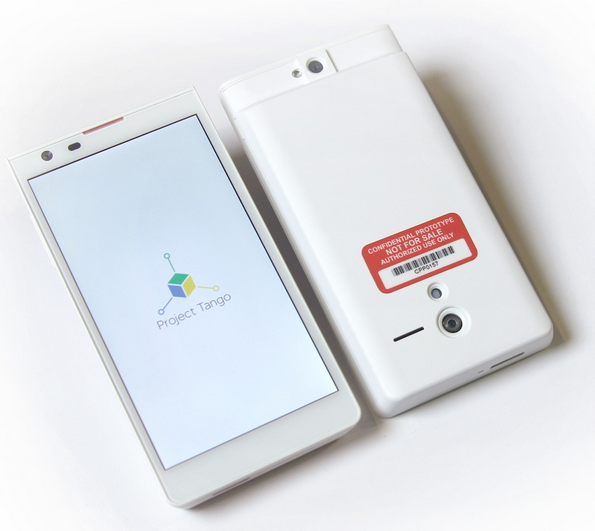
According to ATAP project lead, Johnny Lee – Project Tango is sole objective is to render human level understanding of space in mobile devices. The team behind Project Tango consists of the same people who were also involved with Project Ara by Motorola, last year. Technically speaking, ATAP research unit was retained by Google after Chinese giant Lenovo’s recent purchase of their Motorola division.
Lee substantiates his statements further by saying that his team has been working with different research labs, universities, and industrial partners from nine different nations spanning the globe, to harvest the best of works in robotics from the last decade. This decade long work on computer vision is now being translated into a unique mobile phone. He added that his team is now ready to combine the earlier prototypes and put them in the hands of developers with imaginative nature to help bring those ideas into reality.
This type of highly technology driven project isn’t unrivalled in today’s era but it requires a great deal of time & effort to pull off such a feat. Moreover, a smartphone is not able to retain such levels of functionality without a considerable engine support. It is the Movidius Myriad 1 Vision processor that enabled Google to successfully work on this project.
Let’s wait & watch for further developments on this interesting project.