

18 Million Android Devices Will Be Infected With Malware in 2013 – Is Yours One of Them?
3 min read
Android malware has been growing at an alarming rate over the past few years. Android is now indisputably the most popular mobile operating system in the world, and that means hackers have no shortage of targets to attack.
But according to a recent report by one mobile security company, what we’ve seen so far will pale in comparison to what we’ll see in 2013. According to a recent report by Lookout Mobile Security, 2013 will be “the year of mobile malware.”
That report predicts that 18 million Android devices will be infected with malware at some point over the course of 2013.
This information should be taken seriously, but it should also be taken with a grain of salt. Lookout Mobile Security is a – you guessed it! – mobile security company, which means that they sell mobile antivirus software. It’s in their best interesting to publish reports about Android malware.
But that doesn’t mean you should be prepared. Keep reading to discover some helpful tips on avoiding Android malware.
The good news
Although 18 million infected devices might seem like a large number (and it is), it’s not as large as you may think. 1.2 billion mobile devices are expected to be purchased by consumers in 2013 across all mobile operating system platforms. Since Android is currently holding strong at around 75% adoption rates, that means hundreds of millions of Android devices will be sold over the coming year. If we peg Android sales at a conservative 400 million (1.3 million Androids are activated every day) for the course of 2013, then that means only about 1 in every 20 devices will experience a malware infection. And since 500 million Androids have already been activated thus far, that percentage could be even lower. You can reduce (and pretty much eliminate) your risk of contracting Android malware by taking some precautionary steps: -If you’re downloading an app that doesn’t have a lot of ratings, reviews, or other qualifying information, do a quick Google search beforehand to determine the app is legitimate. Developers don’t have to undergo app verification in order to earn a Google Play Store listing, which means that many malware developers prey on users who gleefully download any Android apps they see.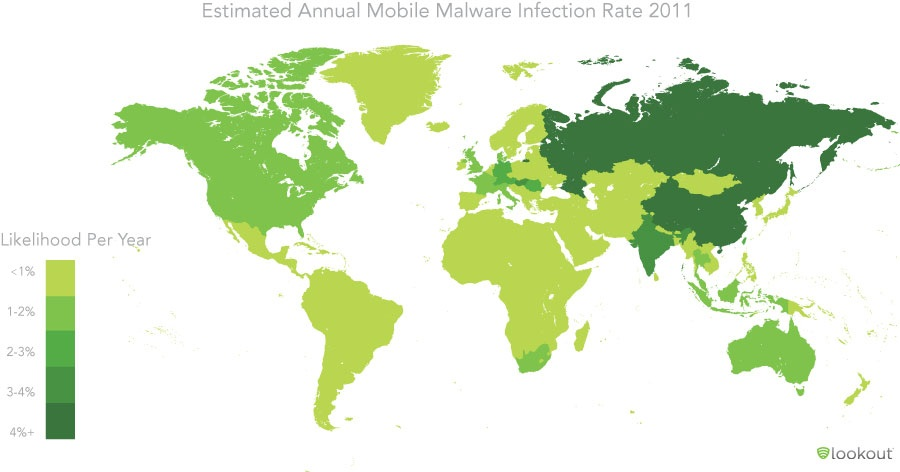

One Click Root Author
One Click Root Author
Content Writer
Experienced writer covering technology and mobile development.
You Might Also Like

Android Security
Android 14 Root Methods: What Changed?
Explore the new root methods and security changes in Android 14.

Android Security
Latest Android Security Updates Impact Root Access
Understanding how the latest security patches affect root methods.

Android Security
Google Pixel 8 Pro Root Guide Released
Complete step-by-step guide to rooting the Google Pixel 8 Pro.
Comments
JD
John Doe
2 days ago
Great article! Very informative and well-written. Thanks for sharing.
JS
Jane Smith
5 days ago
I found the security section particularly helpful. Looking forward to more content like this!
Leave a Comment
Newsletter
Get the latest tech news delivered to your inbox weekly.
Popular Posts
-
1
Getting Started with Android Development
12.5K views
-
2
Best Practices for Mobile Security
8.2K views
-
3
Understanding Smartphone Hardware
6.8K views