

Toggle sidebar
Search...
Why Do Android Apps Want So Much Access to Your Data?

Why Do Android Apps Want So Much Access to Your Data?

3 min read
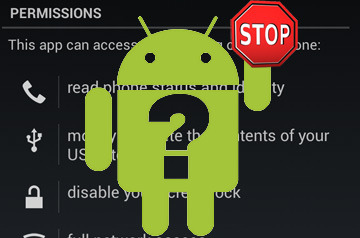
The luxury of being able to use a number of apps has distinguished the Google Android platform from others. Users are thrilled to be able to access such a huge number of apps for free. The affordable price of gadgets, particularly smart phones on Android has enabled Google to command a huge market share and leave behind Microsoft and Apple. However, of late there has been some frustration and irritation brewing in the minds of users with regard to the excessive information being sought by these apps. Indeed, it is quite logical to question why the Weather Channel app would want information of the user device as well as call information? Similarly, why would it want to know if Wi-Fi has been enabled and so on?

Facebook Did The Same

Readers will recall that Face Book too faced some public flak when it came out with its Messenger app. In order to access it, the user had to provide the address book information, send some text messages and what’s more the app could even monitor your location. This intrusion of privacy was not taken well by users and they felt Face Book had gone overboard in its data harvesting quest. It turned out that the language used by Face Book was the one at fault and the social media site did not actually have the intention to pry into the private affairs of any of its users. Once it corrected the language used to seek permissions, things settled down. When contacted, spokespersons of these apps often say the same things. They talk of improving user experience, that they can send timely alerts and so on. But why should they need information about Wi-Fi networks that are active? Perhaps it is to understand the exact location of the user so as to be able to provide up to date local forecasts.

Text Of Permissions Are Scary

Much of the reservation people have with regard to providing information for permissions sought has to do with the language used. Google has just recently updated the permission displays such that they are toned down and appear less scary to users. The iPhone system works better in this regard. It asks for access permission only when required and that is pretty specific to the need of the user and not generic. It is rather ironic that Google Android is coming across as intimidating when they are actually trying to improve user experience and working hard towards it. The more they wish to be transparent and open with their working, the more they seem intimidating. Perhaps reports of recent malware and hacking of apps on the Android platform are also playing on the minds of users and naturally so. Google would have to work on both fronts to assuage user feelings and impressions. It needs to make the system more secure and also work on the language of permissions text to eliminate any misgivings users have.
One Click Root Author

One Click Root Author

Share this article:

One Click Root Author

One Click Root Author

Content Writer

Experienced writer covering technology and mobile development.

You Might Also Like

Comments

JD
John Doe 2 days ago

Great article! Very informative and well-written. Thanks for sharing.

JS
Jane Smith 5 days ago

I found the security section particularly helpful. Looking forward to more content like this!

Leave a Comment

Newsletter

Get the latest tech news delivered to your inbox weekly.